The Invisible Pharmacy in Your Cabinet: How Everyday Medications Quietly Undermine Your Prescriptions
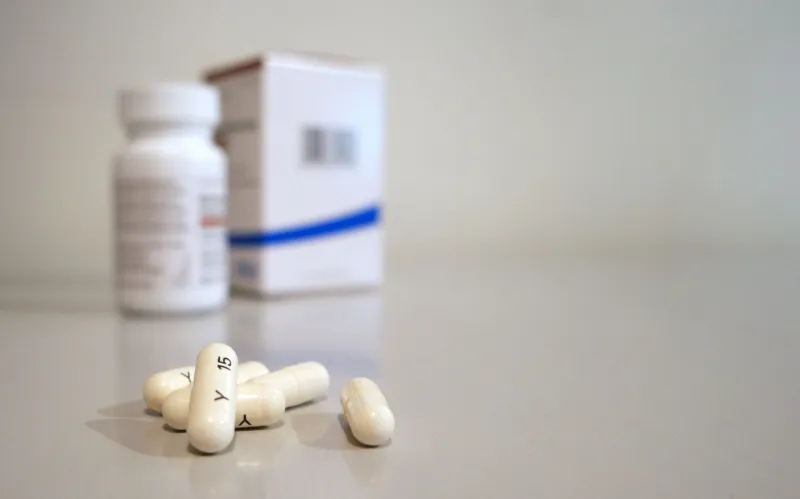
Ask most Americans whether they take any medications, and they will answer with their prescriptions. The blood pressure pill. The cholesterol medication. The antidepressant. What they often leave out — not from dishonesty, but from habit — is everything else.
The ibuprofen taken most mornings for a bad knee. The Benadryl used occasionally to fall asleep. The St. John's Wort purchased at the health food store. The daily aspirin started after a friend had a heart attack. The melatonin, the magnesium, the elderberry gummies, and the protein powder with added vitamins.
None of these feel like medications in the clinical sense. But pharmacologically, they are. And when combined with prescription drugs, they can alter how those drugs are absorbed, metabolized, and eliminated — sometimes with consequences that are difficult to trace and easy to misattribute.
Why This Problem Is Larger Than Most Patients Realize
The United States has one of the highest rates of over-the-counter medication and dietary supplement use in the world. According to data from the Council for Responsible Nutrition, approximately 75 percent of American adults take dietary supplements regularly. The OTC medication market generates over $40 billion annually.
At the same time, most patients do not consistently report these products to their physicians. A survey published in the journal JAMA Internal Medicine found that a significant proportion of older adults — a population already at elevated risk for drug interactions — used prescription medications alongside OTC drugs or supplements without their physician's knowledge.
The result is a widespread, largely invisible safety gap.
Common Interactions That Physicians Frequently Encounter
Not all drug interactions are equally dangerous, but several combinations appear with troubling regularity in clinical practice and deserve specific attention.
NSAIDs and anticoagulants: Nonsteroidal anti-inflammatory drugs — ibuprofen (Advil, Motrin) and naproxen (Aleve) — are among the most commonly purchased OTC pain relievers in the country. For patients taking warfarin, apixaban (Eliquis), or other blood thinners, regular NSAID use significantly increases bleeding risk. This combination is responsible for a meaningful number of preventable hospitalizations each year.
Antihistamines and sedatives or antidepressants: Diphenhydramine, the active ingredient in Benadryl and many PM pain relievers and sleep aids, has additive sedative effects when combined with benzodiazepines, certain antidepressants, and muscle relaxants. In older adults, this combination is associated with increased fall risk, cognitive impairment, and urinary retention.
St. John's Wort and multiple prescription drug classes: This widely used herbal supplement is one of the most pharmacologically significant OTC products available. It induces enzymes in the liver that accelerate the breakdown of numerous prescription medications, including oral contraceptives, antiretrovirals, immunosuppressants, and certain antidepressants. Patients taking it alongside these medications may experience dramatically reduced drug efficacy — a consequence that often goes unrecognized for months.
Calcium supplements and certain antibiotics or thyroid medications: Calcium can bind to tetracycline antibiotics and levothyroxine in the gastrointestinal tract, significantly reducing their absorption. Patients who take calcium supplements within a few hours of these medications may find that their infections are not resolving or that their thyroid levels remain unstable — without understanding why.
High-dose fish oil and antiplatelet medications: Omega-3 supplements in high doses have antiplatelet properties. When combined with aspirin, clopidogrel (Plavix), or anticoagulants, this effect can compound bleeding risk in ways that are not immediately obvious.
Why the Standard Intake Process Often Misses This
The typical medication review at a physician's office is designed around prescription drugs. Questions about supplements and OTC products are frequently asked but inconsistently pursued. Patients are not always certain what qualifies as worth mentioning. And in the compressed timeframe of a standard appointment, a thorough inventory of every product in a patient's medicine cabinet is rarely achievable.
This is not a failure of individual physicians. It is a structural limitation that patients can help address by coming prepared.
Building a Complete Medication Inventory
The most effective solution is a written, regularly updated list of everything you ingest for health purposes — prescriptions, OTC medications, vitamins, minerals, herbal supplements, and protein or nutritional products with added bioactive ingredients.
This list should include:
- The name of each product (brand and generic if known)
- The dose and frequency of use
- The reason you take it
- How long you have been taking it
Bring this list to every appointment, including specialist visits, urgent care visits, and emergency room encounters. When a new prescription is issued, ask your physician or pharmacist explicitly whether any items on your list interact with the new medication.
Pharmacists are an underutilized resource in this process. A retail pharmacist can perform a medication interaction review at no cost and often has more time for this conversation than a physician does during a standard visit. If your prescriptions come from multiple providers or are filled at different pharmacies, consolidating them at a single pharmacy allows the pharmacist's system to flag interactions automatically.
A Note on Supplements and the Regulatory Gap
Prescription medications undergo rigorous testing for safety, efficacy, and interaction profiles before reaching the market. Dietary supplements do not face the same regulatory standard under the Dietary Supplement Health and Education Act of 1994. Manufacturers are not required to demonstrate safety or efficacy before sale, and interaction data for many herbal products is limited.
This does not mean supplements are universally dangerous. It means their safety profile is less well-characterized than prescription drugs, and that assumptions of harmlessness based on the word "natural" are not clinically warranted.
When your physician asks what you take, the most useful answer includes everything — without filtering based on what you believe is relevant. Your physician will make that determination. What they cannot do is account for products they do not know exist.
The medicine cabinet you manage at home is part of your medical record. Treating it that way is one of the most straightforward contributions you can make to your own safety.