How to Walk Into Your First Appointment Ready: Records, Questions, and Communication Strategies That Lead to Better Care
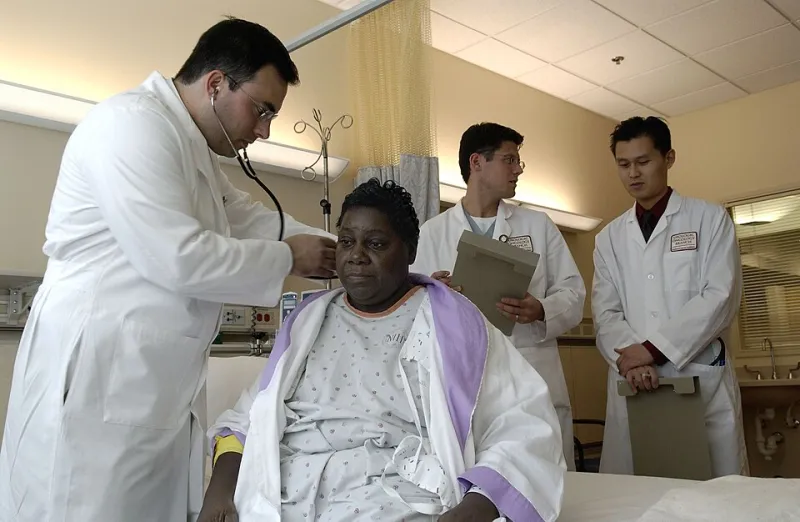
Photo: Unknown photographer, Public domain, via Wikimedia Commons
There is a common misconception that the physician carries the full burden of a successful first appointment. In reality, the most productive consultations are partnerships — and patients who arrive prepared consistently receive more accurate diagnoses, more personalized treatment plans, and a stronger sense of confidence in their care. Whether you are establishing care for the first time or transitioning from another provider, a little preparation before you walk through the door makes an enormous difference.
This guide is designed to help you take full ownership of that preparation.
Why Your First Visit Matters More Than You Might Think
A first consultation is not simply a formality. It is the moment when your physician begins building a clinical picture of who you are as a patient — your history, your risk factors, your lifestyle, and your health goals. The information exchanged during this visit shapes every subsequent recommendation, referral, and care decision. Arriving without key records or without a clear sense of your concerns can slow that process considerably.
Conversely, patients who come prepared tend to leave with clearer diagnoses, fewer follow-up visits to fill in gaps, and a more tailored approach to their long-term wellness.
Medical Records: What to Gather Before You Arrive
One of the most valuable things you can bring to a first appointment is a consolidated record of your health history. If you have seen other providers in the past, request copies of the following before your visit:
- Primary care summaries or discharge paperwork from any hospitalizations or significant procedures
- Current medication list, including dosages, frequency, and the prescribing physician's name
- Allergy records, noting both the substance and the type of reaction you experienced
- Immunization history, particularly if you are establishing care for preventive management
- Lab results and imaging reports from the past two to three years, including bloodwork panels, X-rays, MRIs, or ultrasounds
- Specialist notes from any cardiologists, dermatologists, endocrinologists, or other providers you have seen
If obtaining complete records is not possible before your appointment, do not let that stop you from coming in. A verbal summary is still useful, and your new physician can formally request records on your behalf afterward.
Documenting Your Symptoms: Precision Matters
Vague symptom descriptions — "I just feel off" or "I've been tired" — are harder to work with clinically than specific, contextualized accounts. Before your appointment, take a few minutes to write down answers to the following about each concern you want to raise:
- When did it start? Approximate dates or timeframes are helpful.
- How often does it occur? Is it constant, intermittent, or triggered by specific activities?
- Where is it located? For pain or discomfort, note whether it stays in one place or radiates.
- What makes it better or worse? Food, movement, rest, stress, and time of day are all relevant factors.
- How does it affect your daily life? This helps convey severity beyond a simple pain scale.
Writing this information down before your appointment ensures that nothing gets overlooked in the moment. It also allows your physician to prioritize and triage your concerns more efficiently.
The 10 Questions Worth Asking During Your First Consultation
Many patients leave appointments wishing they had asked something they forgot in the moment. Below are ten questions that tend to yield the most useful information during an initial visit:
- Based on what you know so far, what do you think may be contributing to my symptoms?
- Are there any tests or screenings you recommend given my age, history, and risk factors?
- How do my current medications interact with one another, and are there any I should reconsider?
- What lifestyle changes would have the greatest impact on my overall health right now?
- What warning signs should prompt me to call your office before my next scheduled visit?
- How do you prefer patients to communicate between appointments — through a patient portal, phone, or another method?
- Is there a specialist you would recommend I see, and if so, why?
- What does a realistic timeline look like for addressing my primary concern?
- Are there any preventive screenings I may be overdue for?
- What should I prioritize if I can only address one health issue at a time?
You do not need to ask all ten. Choose the questions most relevant to your situation and use the others as a reference for future visits.
Communicating Your Health Goals, Not Just Your Symptoms
Physicians are trained to diagnose and treat conditions, but the most effective care plans also account for what you want your health to look like in the future. Are you trying to manage a chronic condition more effectively? Reduce your reliance on a particular medication? Improve your energy levels so you can stay active with your family? These goals matter and should be part of the conversation.
Do not assume your physician will ask about them unprompted. Bring them up directly: "One of my goals is to understand whether I can manage this without long-term medication." Or: "I want to make sure I'm doing everything I can to prevent the conditions that run in my family." This kind of proactive communication shifts the appointment from reactive problem-solving to genuine health partnership.
A Few Practical Logistics to Handle in Advance
Beyond clinical preparation, a few administrative steps can prevent unnecessary delays:
- Arrive 15 minutes early to complete any intake paperwork without feeling rushed.
- Bring your insurance card and a photo ID, along with any referral documentation if applicable.
- List your pharmacy name, address, and phone number so prescriptions can be sent immediately if needed.
- Consider bringing a trusted family member or friend if you anticipate complex news or want help remembering information.
Some patients also find it helpful to jot down a brief personal health narrative — a paragraph or two summarizing their health history in their own words. This can be handed to the physician at the start of the visit and often accelerates the intake process.
The Foundation of Lasting Care Starts Here
Every strong physician-patient relationship begins with a first appointment that goes well. When you arrive prepared — with your records organized, your symptoms clearly described, and your questions ready — you make it possible for your physician to do their best work on your behalf. That preparation is not just courteous; it is clinically meaningful.
At Dr. Sanjay Yadav MD, the goal of every first consultation is to understand not just what is happening with your health today, but what kind of care will serve you best for years to come. The more you bring to that conversation, the more personalized and effective your care plan will be.